

The city that was the world's most affordable party destination now has some of the planet's highest production costs. The dancefloor feels it.
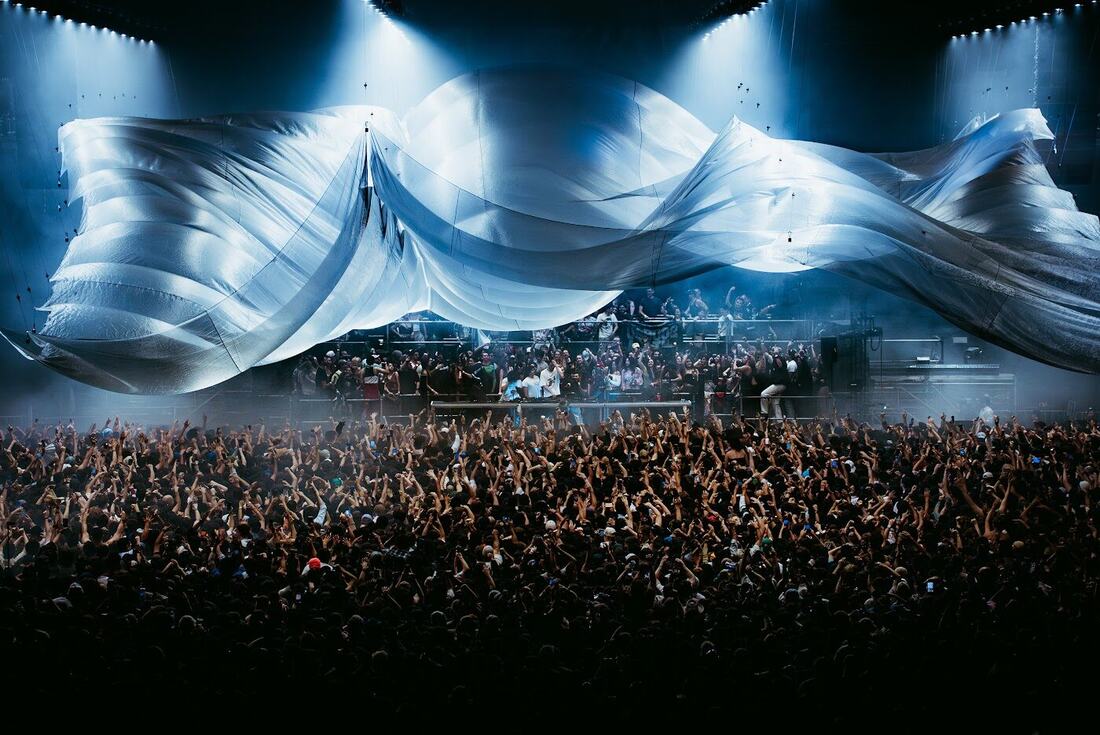
For years, Buenos Aires was electronic music's cheap paradise: dollars that went far, affordable tickets, international artists arriving for little. In 2025 and 2026, that equation flipped.
The peso that turned around
Under Javier Milei's government, the peso was one of the world's five best-performing currencies in 2024, gaining more than 40% against the dollar according to Bloomberg data cited by the Buenos Aires Times. Economists now consider it overvalued, and daily life confirms it: the city has the planet's second most expensive Big Mac —around seven dollars— and Latin America's priciest coffee. Since the administration began, more than ten thousand jobs have been lost in food service and hospitality, while restaurant prices rose nearly 100% year-on-year against an almost flat exchange rate.
When closing costs less than opening
The impact reaches the night through costs. Club Bonpland, a brewery in Palermo Hollywood, planned to close after utility bills tripled from subsidy cuts and rent more than doubled. It's not an isolated case: in July 2024, Under Club —a temple of Buenos Aires techno— was shut down after a police raid and only reopened seventy days later, in November, with Ellen Allien, DVS1 and Jeff Mills. The scene holds on, but each reopening is an exception wrested against the current.

"People used to come to eat, order plates and drinks, then go out to dance. Today they only go out to drink something. Spending collapsed." —Gonzalo de la Vega, owner of Club Bonpland, to Buenos Aires Times
The fees get paid, the services don't
The paradox is fine-grained. With dollar access resolved, bringing international artists is no longer the problem; the problem is everything else. "Today the fees can technically be paid, but the services are astronomically expensive: Argentina is one of the most expensive countries in the world to produce shows," sums up Matías Loizaga of PopArt. Add to that an oversupply of shows and a bottleneck of large, quality venues. And on the other side of the counter, the audience has changed: "It's still very passionate, but today it manages its resources more; it no longer goes to everything, it chooses more carefully," notes Sebastián Carlomagno of Move Concerts.
There's the knot. The peso's stability, celebrated as an achievement, drained the old cliché of Buenos Aires as a cheap party paradise of meaning, and didn't replace it with another. A scene can have its passion intact and still shrink, because what decides who goes out and who plays isn't desire but arithmetic. When going out becomes a managed luxury, the question stops being how many people love the music and becomes how many can afford it —and what kind of night survives when price, not taste, is what sets the calendar.
The strong peso filled the headlines and emptied the pre-party: Buenos Aires learned that a stable currency can also turn the night into a privilege.