

It's not that Berlin is running out of crowds. It's that a full club today can still go bankrupt. The Clubcommission's new report says so with numbers.
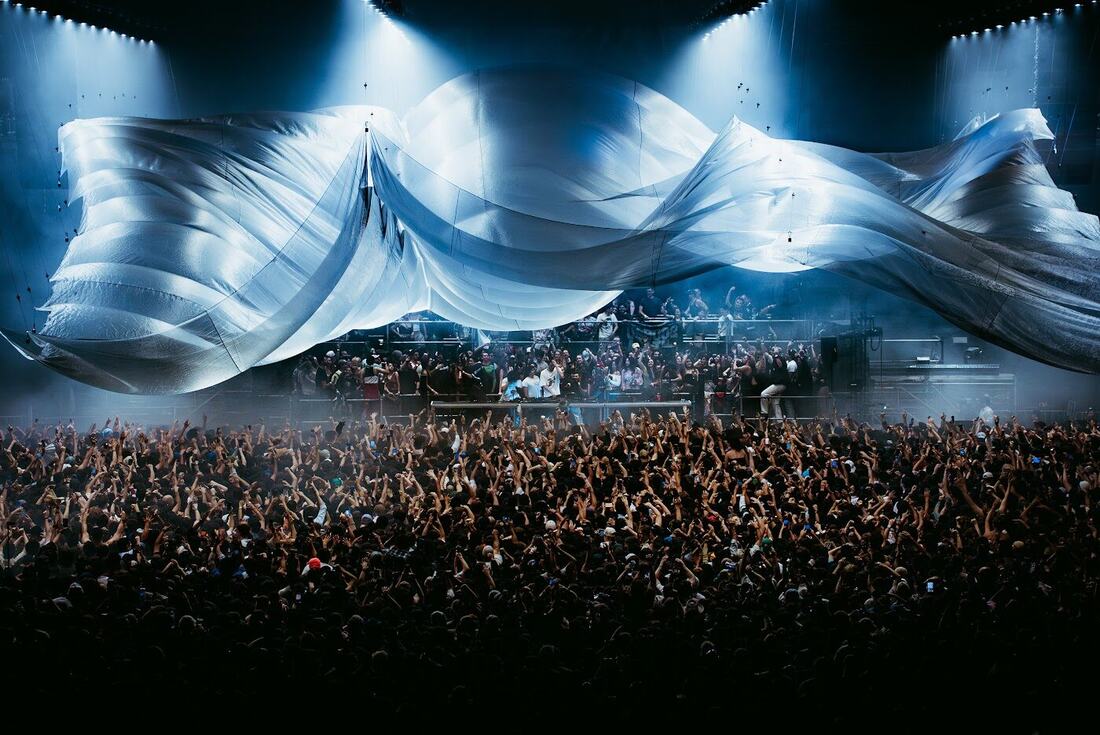
On August 26, 2026, Berlin's Clubcommission presented its club-culture report, produced by Goldmedia across 102 venues. The conclusion unsettles the apocalyptic narrative: there's no mass extinction, but there is a broken economic model.
The numbers, without the myth
The figure that undoes the catastrophe story is simple: since 2020, Berlin has seen 24 clubs close and 25 open. There's no extinction. There's something else, harder to headline: a profitability crisis. In 2025, 39% of surveyed venues ran at a loss —against 21% in 2017— and barely 30% were profitable. Among the causes, the report points to personnel costs (63%), operating costs (62%), the audience's falling purchasing power (60%) and rent (54%). Only 8% of clubs own their space; 31% hold leases shorter than five years.
The sober generation
There's a cultural shift behind the numbers. 73% of clubs reported a drop in alcohol consumption and 60% a rise in non-alcoholic drinks: one of the night's historic revenue streams is drying up, and door prices climb to compensate. In that context two institutions closed —Watergate, after twenty-two years, at the end of 2024, and the queer space SchwuZ— dragged down less by a lack of crowds than by the arithmetic of rent, energy and wages.

"There's a sense that Berlin is spoken about in negative terms, especially after the closure of clubs like SchwuZ and Watergate." —Berlin's state secretary for economy, to The Berliner
The cost of a night
Put this way, Berlin's problem isn't an empty floor but a ledger that won't balance. A venue can be packed every night and still fold, because the margin between what comes in and what it costs to open turned negative. Calling that "club death" is convenient and wrong: the culture isn't dying, the business that sustains it is becoming unviable.
And there the conversation stops being about music and becomes about the city. Berlin's club culture always rested on a quiet privilege —cheap space, long leases, a city that still had gaps. As that privilege disappears, the question left isn't whether people still want to dance, but who can afford to produce the night in an expensive city. "Club death" is, in truth, a distribution problem dressed up as cultural decline.
The day opening a club depends on owning the building, the avant-garde will no longer be a matter of sound but of square metres.