

The IMS report's record coexists with a live sector battered by venue closures and a wave of platforms promising to fund independent labels and artists. Behind the figures lies a fight over who holds up the base of the pyramid.

The year's headline is tempting and comes with a photo: the global electronic music economy reached US$ 15.1 billion, up 7% from the year before. It's a record, and worth celebrating. But reading only the big number is missing the whole film. What will define the scene's future isn't how much it's worth in total, but how that money is shared and who supports the ones at the bottom, where music actually gets born.
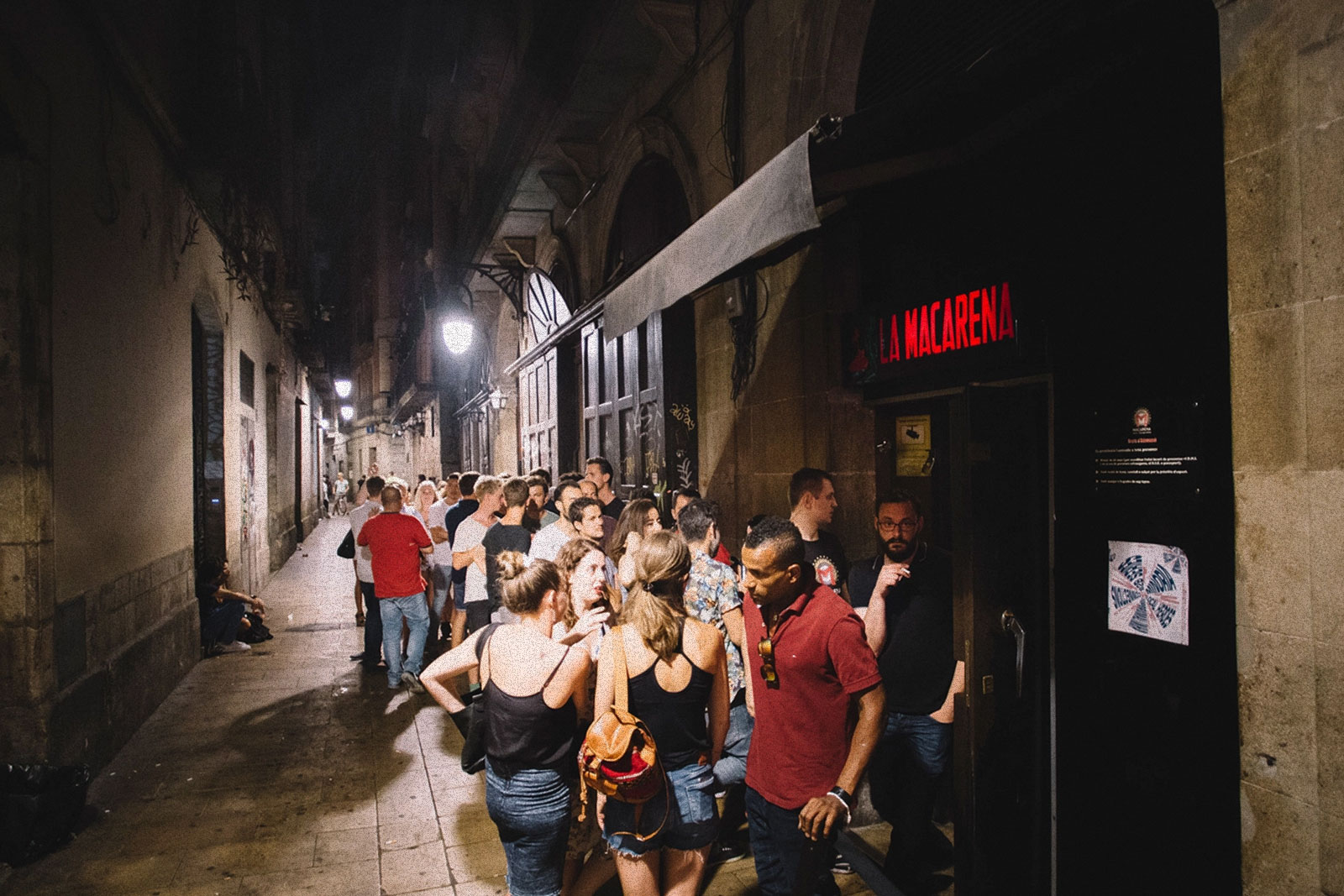
The IMS report itself marks the tension clearly. While recorded music and publishing grow strongly, driven by streaming, live lagged behind, hit by the sustained closure of venues and by audiences going out less often than before. In other words: the most profitable part of the business is increasingly digital and remote, and the most fragile is precisely the dancefloor, the club, the physical space where the scene breathes, meets and takes shape.
Platforms to the rescue (with fine print)
Into that gap, as expected, stepped new players promising solutions. LabelWorx launched Elevate, a programme combining upfront funding, strategic planning and promotional support for independent labels. Platforms like SystemOne completely rebuilt their booking and invoicing tools; others, like SyncPlacement, promise to open the doors of sync — that business once reserved for the well-connected — to small artists. The narrative is hopeful: at last, capital and professional structure for those without a financial safety net.
And yet, it's worth reading with a calculator and a memory. Every time a platform funds the independent, it also becomes, by definition, an intermediary in their career and a partner in their income. There's no free money. Music history is full of structures that arrived to democratize access and ended up keeping the lion's share.
The independent ecosystem's challenge in 2026 isn't a lack of money. It's not mistaking funding for freedom.
Autonomy versus dependency
The right question, then, isn't whether there's money going around — there is, and plenty — but on what terms it arrives, in exchange for what, and how much autonomy it costs in the long run. An advance is a debt by another name; a platform that lands you the sync also decides which of your music plays in an ad. The Elevate Artists report says it, in other words, when it notes that the industry's growth increasingly leans on emerging markets: where the infrastructure is still being built, and where, therefore, it's being decided right now who will control it.
For Latin America, that point is central. The region is one of those emerging markets driving the global statistics upward. The question is whether it will build its own structures — labels, platforms, festivals, media — or whether it will be, once again, a market administered from abroad.
What it reveals
The industry has never had so much money circulating, and live — the real base of everything — has never had so much fragility at the same time. That contradiction is the real news behind the record.
Holding up the base of the pyramid — the small club, the label just starting out, the twenty-year-old producer — remains, at heart, a task for the community itself, not for an investment fund. The scene's future won't be decided in the report's big number, but in the fine print of who, and on what terms, chooses to bankroll the newcomer.
The industry has never had so much money, nor live music so much fragility. The future isn't decided in the big number, but in who chooses to bankroll the newcomer.