

Thirteen years after Tomorrow's Harvest, the Scottish duo reappears on Warp with an album announced through VHS tapes and a listening session in Tokyo. In the age of infinite content, their bet runs the other way: less, stranger, slower.
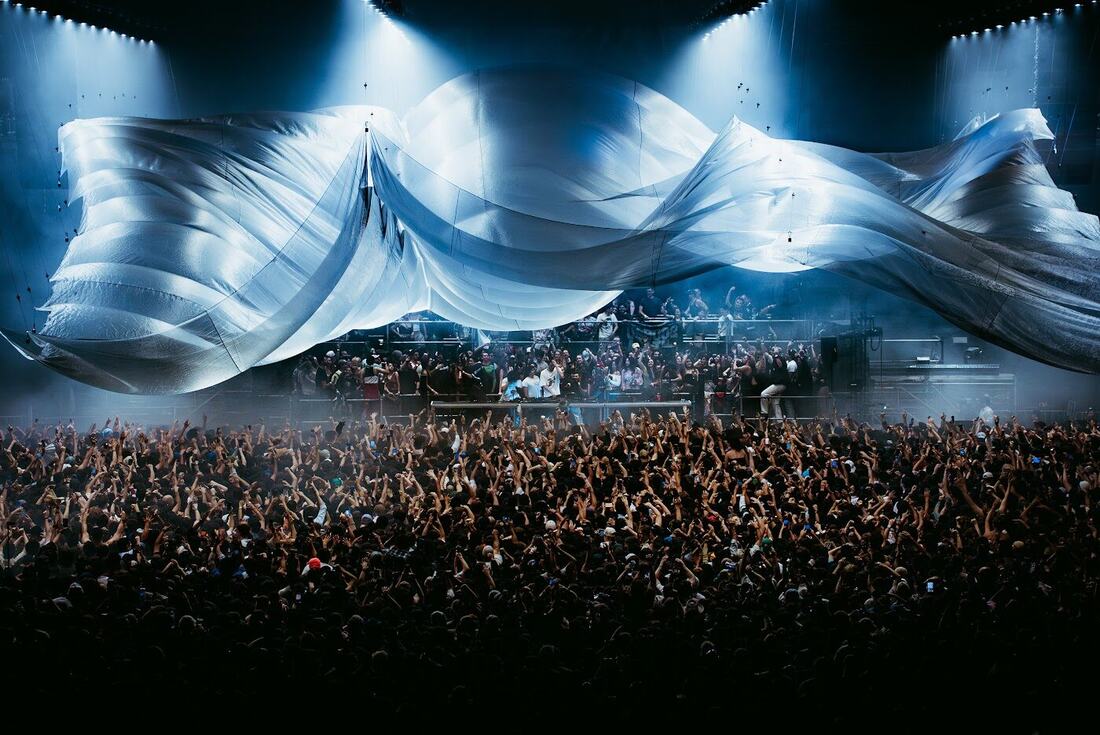
There are comebacks that fit in a press release and comebacks that feel like an event. Inferno, Boards of Canada's fifth album — their first in thirteen years, released on Warp on 29 May 2026 — belongs to the second kind. And what's truly interesting isn't only the music: it's the method they chose to return with, in open contradiction to almost everything now considered a good launch strategy.
The campaign began in April, with no warning, with VHS tapes mailed to a handful of fans. No press release, no link, no explanation. Then a loose track, Tape 05, surfaced online like a rumor. Only in May came the single Introit / Prophecy at 1420 MHz, with a video. Each step was a deliberate provocation against the logic of streaming: where the playbook says flood the feed, they chose to withhold.
Against the content era
At a moment when tens of thousands of tracks are uploaded to platforms every day and an AI can improvise a whole album in minutes, mystery became the scarcest resource of all. Boards of Canada always understood this almost instinctively: their work lives on degraded texture, synthetic nostalgia, the feeling of listening to a tape found in a drawer. Inferno carries that poetics into a new context, where the analog and the slow are no longer an aesthetic but, almost, a political position.
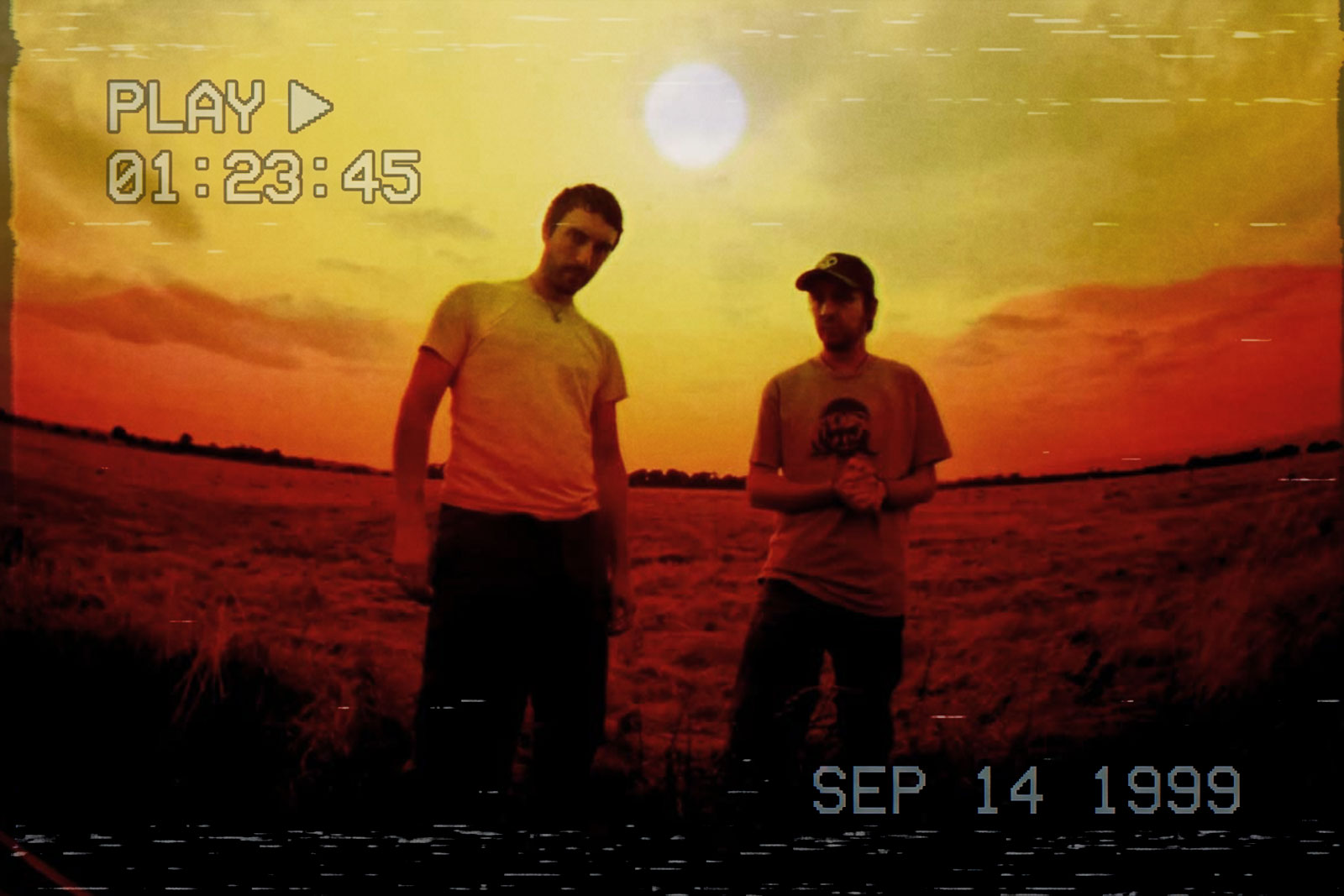
The VHS detail isn't a retro whim. It's consistent with an idea: to force the listener to wait, to search, to want. In the attention economy, where everything is instantly available and therefore worth nothing, making yourself wanted is a way of giving the work value back. The album doesn't compete for a slot on a playlist; it builds an event around itself.
The value is no longer only in showing up. It's in building a world people want to step into. Boards of Canada didn't come back with an algorithm: they came back with a secret.
Tokyo, in the dark
It's no accident that one of the launch's key moments was a listening session in Tokyo, reviewed by Attack: people sitting in a room, no screens, listening to a whole album start to finish. In 2026, that's both a rarity and a statement. The city that built much of the machinery that defined electronic music also preserves, like few others, the ritual of listening for real, without distraction, as if attending a ceremony.
That gesture says something about the present. Deep listening — giving an album forty minutes of full attention — has become almost an act of resistance against the scroll, shuffle and music as mere background. Boards of Canada didn't just deliver an album: they proposed a way of listening to it.
What it teaches
There's a lesson here for anyone making content today, inside and outside music. The value is no longer only in constant presence, in posting all the time so the algorithm doesn't forget you. It's in building a universe with rules of its own, strong enough that people want to step in and stay.
Thirteen years of silence aren't a pause between albums: they're part of the work. In an industry that rewards hyperactivity, Boards of Canada prove that sometimes the most radical decision, and the hardest, is to make people wait.
Thirteen years of silence aren't a pause: they're part of the work. Boards of Canada prove that sometimes the most radical decision is to make people wait.