

While Europe debates the crisis of its clubs, Asia is building a scene of its own — with identity, legendary rooms and a generation that no longer looks to Berlin as the model. K-techno, Tokyo's underground and a new China are setting the pulse.
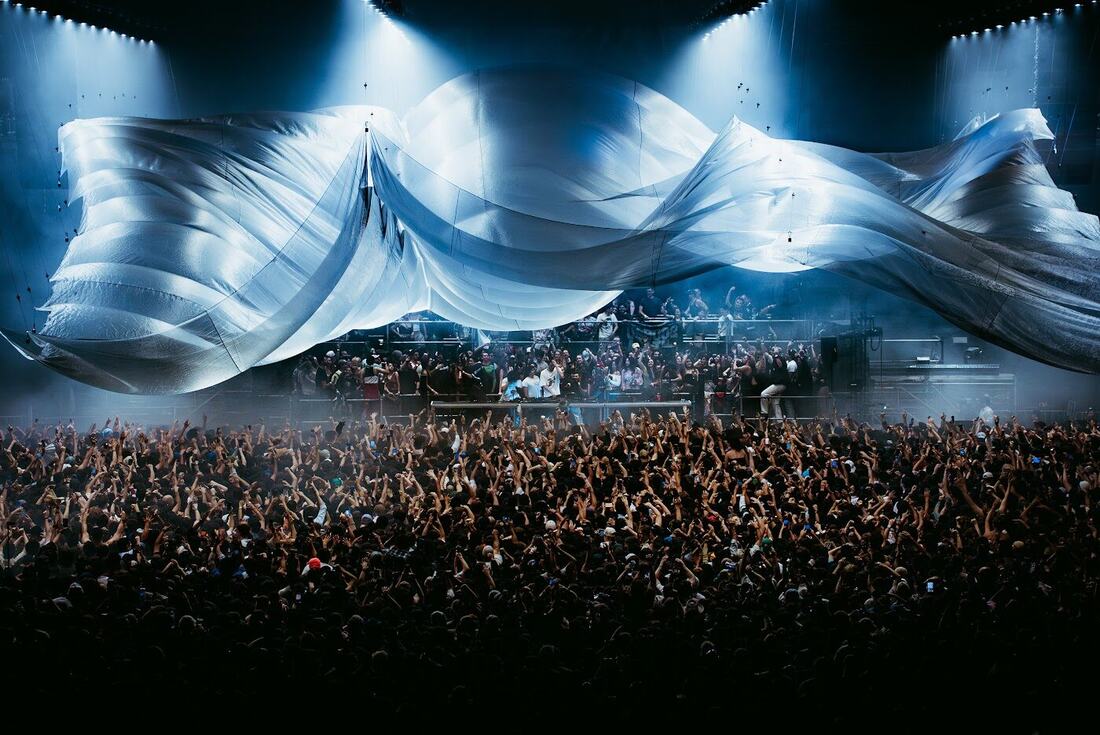
For years, Asia appeared on electronic music's map as a tour stop: a place European DJs flew in to play and returned from with anecdotes about how exotic the crowd was. In 2026, that relationship flipped. The continent stopped importing the party and started producing its own, with an identity that no longer needs external validation and doesn't seek it.
Tokyo is the most mature case and the one that best explains the phenomenon. Rooms like Contact and VENT sustain a scene of pure duality: minimal, experimental and Detroit-style groove pulsing until sunrise, with a devotion to sound, system and ritual that very few cities in the world match. It's not news: Japan has spent decades cultivating an almost obsessive, craftsmanlike and deeply respectful relationship with dance music, treating each set like a ceremony.
Seoul invents its own dialect
The truly new thing is happening in Seoul. Spaces like vurt., Modeci and FAUST are shaping what the Asian press itself already calls K-techno: a young, fast underground where genres overlap without the hang-ups or rigid rules of older scenes. It's not European techno with Korean aesthetics: it's a dialect of its own, born of a generation that grew up fast, without a manual and without needing anyone's permission.
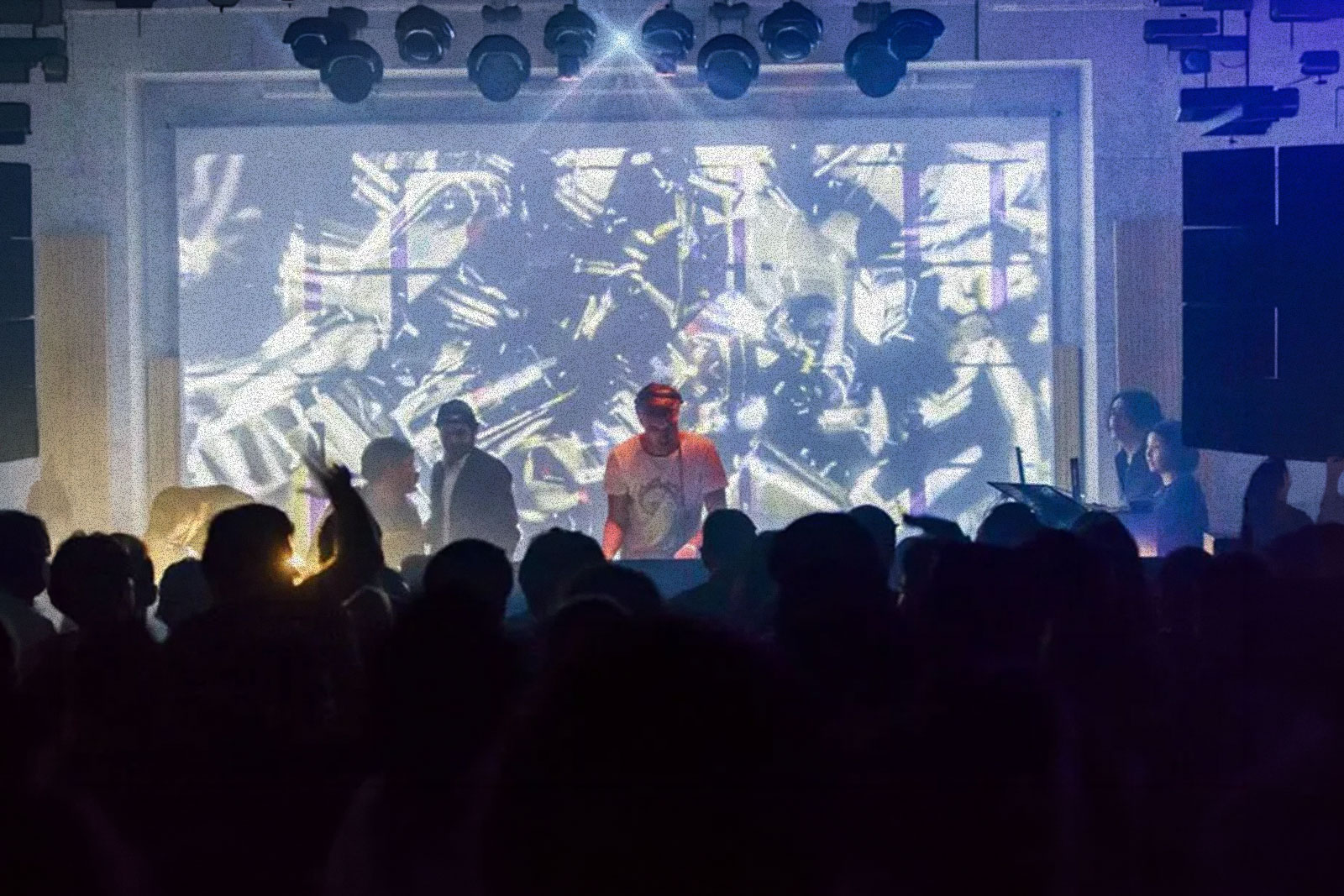
There's an engine behind all this worth naming. These scenes grew alongside powerful cultural industries — the global weight of Korean pop, Japan's technological tradition, the sheer scale of China — that produced young, connected audiences hungry for something more underground than the mainstream they were handed. Eastern techno wasn't born in a vacuum: it was born as the counterculture of enormous pop cultures.
Electronic music's map is being redrawn. And this time the east doesn't appear in the margins: it appears at the center.
China stops being a promise
And then there's China, which went from rumor to concrete reality. The Great Wall Festival returns with more than thirty artists across three stages, crossing international names like Marcel Fengler with the DJs who actually built the local scene — Ma Haiping, Weng Weng, Yang Bing, Elvis T, Mickey Zhang. That balance between the global and the local is the sign of a scene that has matured: it's no longer only about flying in a star, but about showing who its own people are.
In parallel, a whole Asian boutique circuit is growing with a different philosophy from the mega-festival: it bets on ultra-high-quality sound systems, sustainability and community curation instead of lineups inflated with headliners. It's a more intimate, more conscious idea of the party that, in many ways, runs counter to Western gigantism.
What it reveals
The lesson is the same one you hear in Latin America, just in another language: local identity stopped being a disadvantage and became the asset. The liveliest scenes of 2026 aren't the ones that best imitate Berlin, but the ones that found a voice of their own.
Europe exported the club to the entire world for half a century. This decade's twist is that the world no longer returns it unchanged: it rewrites it with its own accent, history and rules. And much of that rewriting, today, is signed in the east.
Europe exported the club to the world. The 2026 twist is that the world no longer returns it unchanged: it rewrites it. And much of that rewriting is signed in the east.