

808 Day reignited the cult of the TR-808, and an interview rescued the Japanese engineer behind the TR-909. Two machines Roland gave up for dead ended up defining hip-hop, house and techno. Their story is the story of all electronic music.
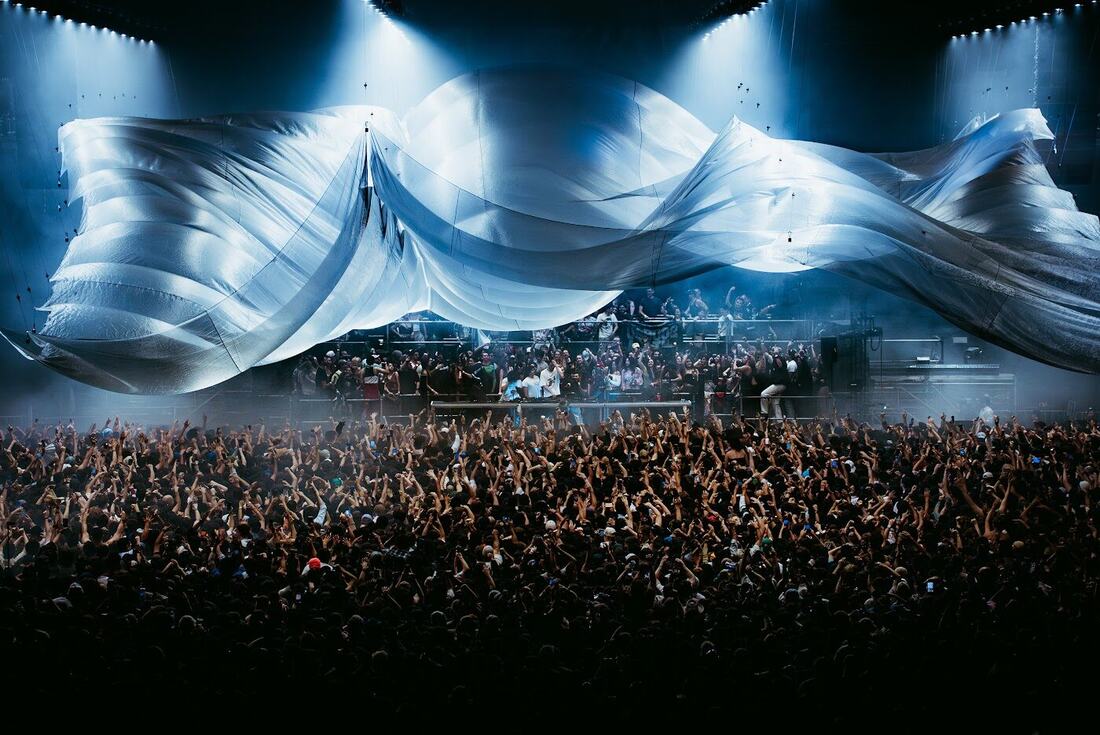
Every 8th of August, the scene celebrates 808 Day: an almost liturgical tribute to a drum machine Roland discontinued for poor sales and that, against all odds and against its own creators' intentions, became one of the most influential instruments in the history of popular music over the last half century.
The paradox is beautiful and deeply instructive. The TR-808 (1980) and its sibling, the TR-909 (1983), were resounding commercial failures: they sounded too artificial for what the market wanted at the time, which was electronic drums capable of imitating the real thing. Roland considered them a mistake, discontinued them and moved on. But that very artificiality that doomed them — the kick that thumps in your chest, the dry clap like a whip, the metallic, unreal hi-hat — became, years later, the raw material of hip-hop, Chicago house and Detroit techno.
The man behind the 909
This year, Attack magazine rescued a figure who almost never appears in the genre's heroic story: Atsushi Hoshiai, the Japanese engineer behind the TR-909. It's a necessary and healthy reminder that these machines didn't fall from the sky and aren't forces of nature: they were designed by specific people, in offices in Japan, solving technical problems, with no idea they were writing the sonic DNA of half a century of music that didn't yet exist.
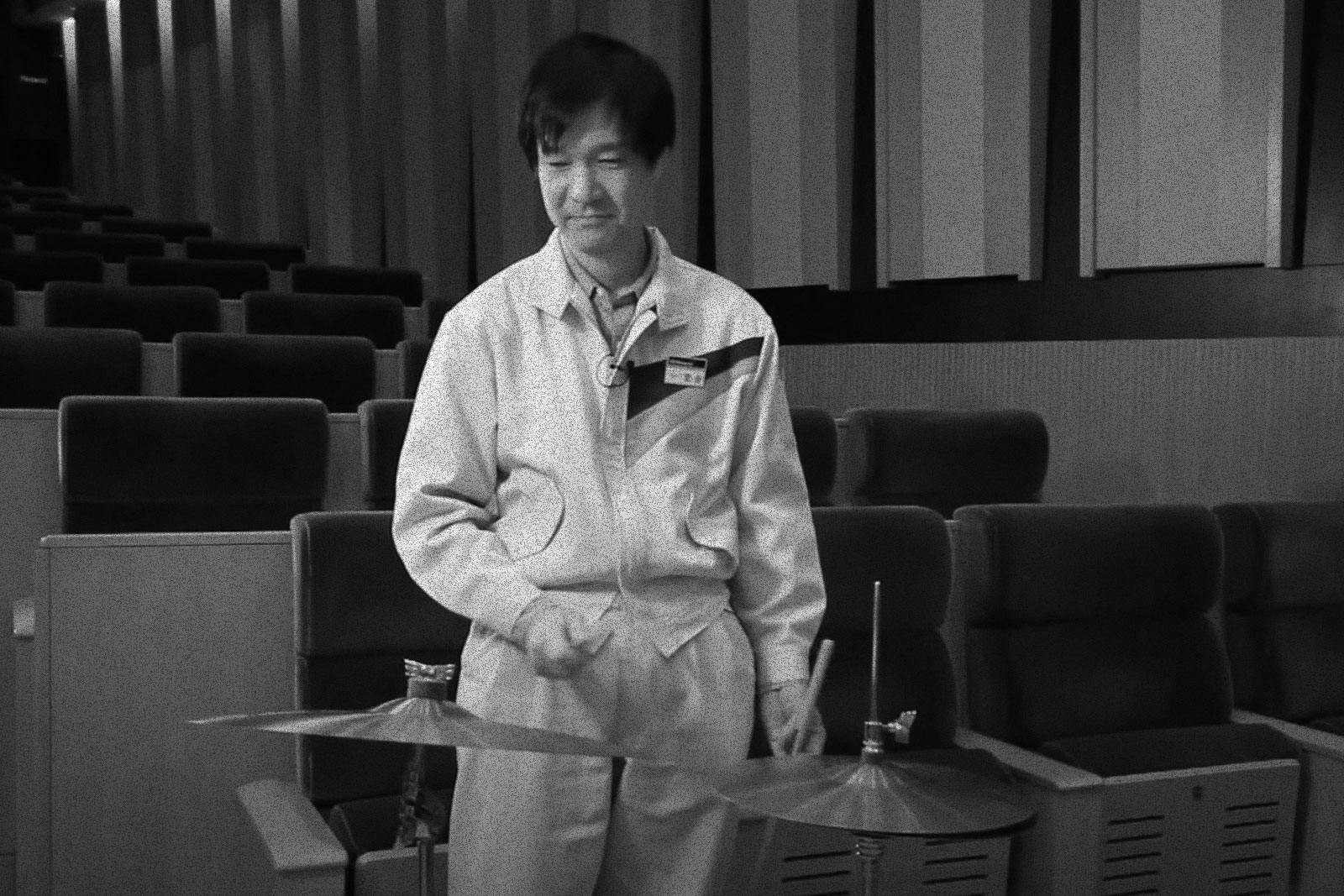
There's something moving in that distance between intention and result. Roland's engineers wanted to build a useful, affordable tool for musicians who couldn't pay a drummer. What they created, without knowing it, was a language. And that language was finished by others: the kids from the margins who bought those marked-down machines because they were the only thing they could afford.
The genres that changed the world weren't born from the most expensive gear, but from the discarded. The limitation was the style; the flaw, the signature.
The cheap, the discarded, the eternal
There's the deeper lesson in the cult of the 808, and it's one that goes beyond music. The genres that changed culture weren't born in the best-equipped studio or from the most expensive synth, but from what was left over: machines marked down because nobody wanted them, bought secondhand in pawn shops by Black and Latino kids who couldn't afford more. Economic restriction didn't stifle creativity: it focused it. Limitation became style. The flaw became signature.
It's the same story as sampling, as the scratched vinyl used as an instrument, as the overloaded sound system of the neighborhood party. Again and again, electronic music proves that power isn't in the tool, but in the need to say something with what's at hand.
What it says today
Forty years later, in an industry obsessed with the latest update, the just-released plugin and the thousand-dollar synth, the 808 works as a gentle warning. It reminds us that no machine makes music for you, and that the most expensive gear guarantees nothing.
808 Day doesn't celebrate a piece of plastic and silicon: it celebrates an idea. The idea that value isn't in what you buy, but in what you're able to do with what you have. In a present that pushes us to believe we're always missing the right gear to start, that old failed drum machine keeps saying the opposite.
The 808 reminds us that value isn't in what you buy, but in what you can do with what you have. Its flaw ended up being its signature, and ours.