

Forty years after his foundational work, Venetian artist Gigi Masin releases on Sacred Bones and reopens an uncomfortable question: in a culture of acceleration and infinite scroll, choosing slowness and the human might be the most radical gesture of all.
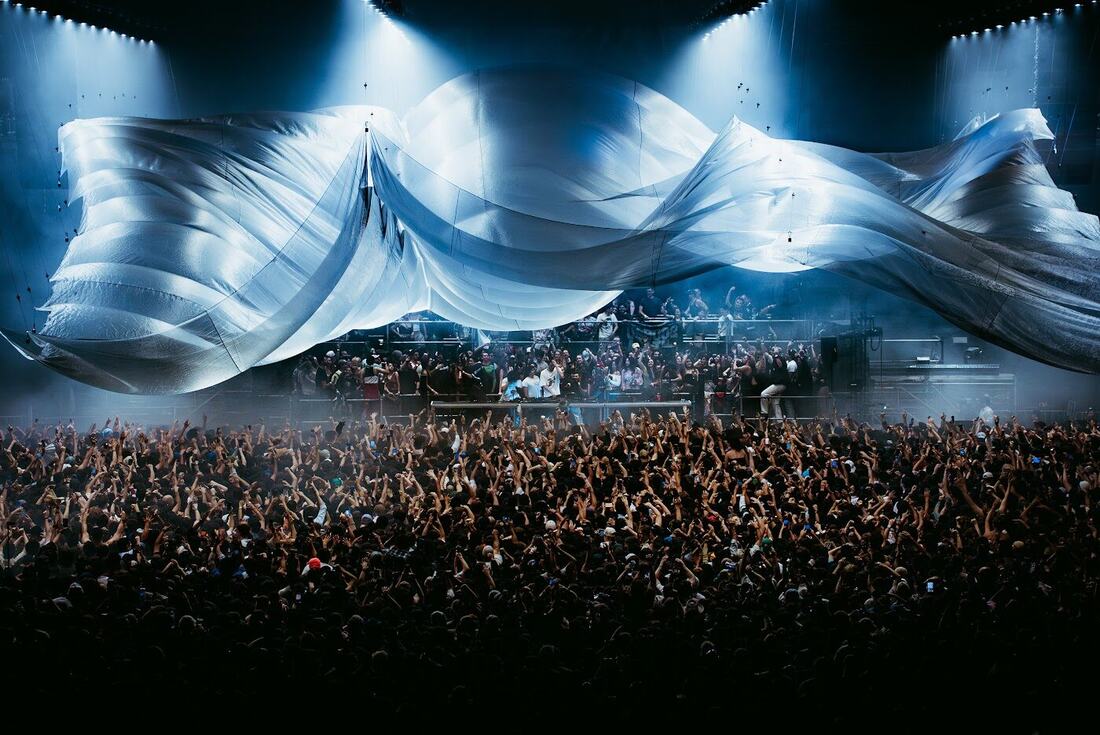
While the industry argues over figures, algorithms and billion-dollar valuations, something quieter and perhaps more important is happening in another corner of the scene: a deep re-valuing of ambient — not as background music to focus or sleep to, but as a conscious form of resistance to the speed of the age.
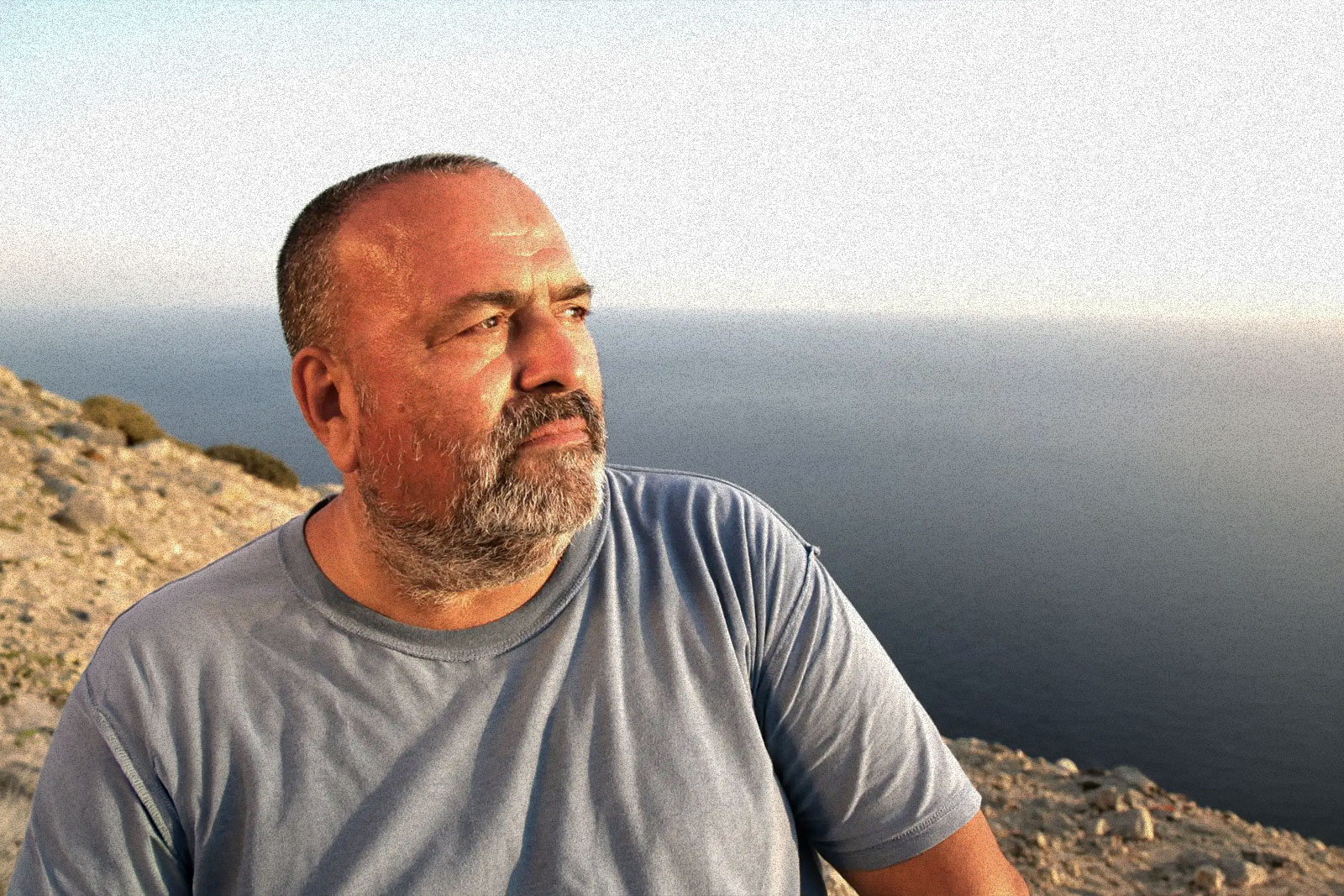
The season's record in that territory is Movement, with which Gigi Masin — Venetian ambient pioneer, forty years after his foundational work — makes his debut on the prestigious Sacred Bones label. What's striking is that it doesn't sound like what you'd expect from the genre: it is, surprisingly, rhythmic. Masin explicitly refuses to let ambient sit still, staring at itself in the mirror, contemplating itself into paralysis. He pushes it forward, gives it pulse, drags it out of the spa-music cliché.
The analog as an idea, not nostalgia
In a recent exchange, Masin said something that works as a manifesto for a whole sensibility: that human thought is analog. It's not an old man's complaint against technology or nostalgia for the gear of the past. It's a philosophical stance on how the mind works, and on what a culture made of fragmented digital stimuli, notifications and interruptions does to that mind. His reel-to-reel tape machine, which he fondly calls his old brother, is as much an instrument as a way of thinking about time.
That idea — the analog as a way of inhabiting the world, not a gear fetish — is one of the most interesting undercurrents of the present. It reappears in the vinyl revival, in the cassette, in screen-free listening sessions, in voluntary disconnection. It's not technophobia: it's a search for continuity, for depth, for an experience that doesn't come chopped into fifteen-second pieces.
Not all music exists to fill a floor. Some exists to hold someone up. In the age of acceleration, that too is vanguard.
Shared grief
The same impulse appears, in a different skin, in works like Palm of Hand, a collaboration between Snakeskin and Felisha Ledesma that joins Malmö with Beirut: music explicitly made to process grief collectively, a balm to play on loop and let it work. In a world of solitary trauma, where pain is lived alone in front of a phone and reduced to images in a feed, they propose something else, almost ancient: feeling together, slowly, without rushing to get over it.
There's a political dimension in that slowness that isn't always visible. Speed isn't neutral: the attention economy needs us always accelerated, always chasing the next stimulus, because a contemplative user is bad business. Choosing calm, in that context, is a discreet form of disobedience.
What it reveals
There's the point the dance scene itself sometimes forgets in its search for the next drop. Not all music exists to fill a floor or throw hands in the air. Some exists to accompany, to hold someone up in a hard moment, to create a space where you can let your guard down.
In 2026, choosing slowness, the analog and the human isn't escapism or weakness: it's taking a stand against a culture that pushes the other way. Ambient, apparently the most passive genre of all, turns out to be one of the most political.
Not all music exists to fill a floor. Some exists to hold someone up. In the age of acceleration, that too is vanguard.